

Do your toes cross or hurt with every step?
A bunion may start as a small bump near your big toe. Over time, it can make shoes harder to wear, walking less comfortable, and daily movement more frustrating.
If you're dealing with bunions, understanding your treatment options is the first step toward finding relief.
To help answer some of the most common questions about bunions, OrthoUnited foot and ankle specialist Dr. Daniel Charlick shares his insights on what causes them, when they become a problem, and the treatment options available.
What Is a Bunion?
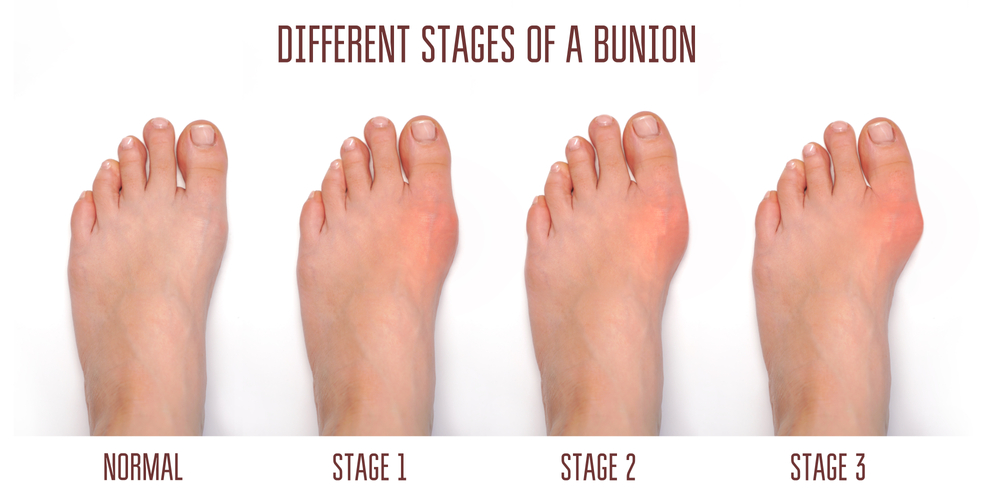
A bunion forms when the bones around the big toe joint gradually shift out of alignment. As the big toe begins to lean toward the second toe, a bony prominence develops along the inside of the foot.
Many people assume a bunion is simply extra bone growth. In reality, a bunion is a structural change in the alignment of the foot and toe joint.
The bump is only part of the problem. Bunions can also cause:
- Pain near the big toe joint
- Redness or swelling around the bump
- Pressure and irritation from shoes
- Trouble walking comfortably
- Corns or calluses where toes rub together
- Stiffness in the big toe
- Changes in how your foot bears weight
Many patients notice symptoms improve when barefoot or wearing open-toed shoes and worsen when wearing tighter footwear.
Bunions often develop slowly over time. Some people notice mild pressure at first, while others experience soreness, burning, or pain after standing or walking for long periods.
Why Are Bunions More Common in Women?
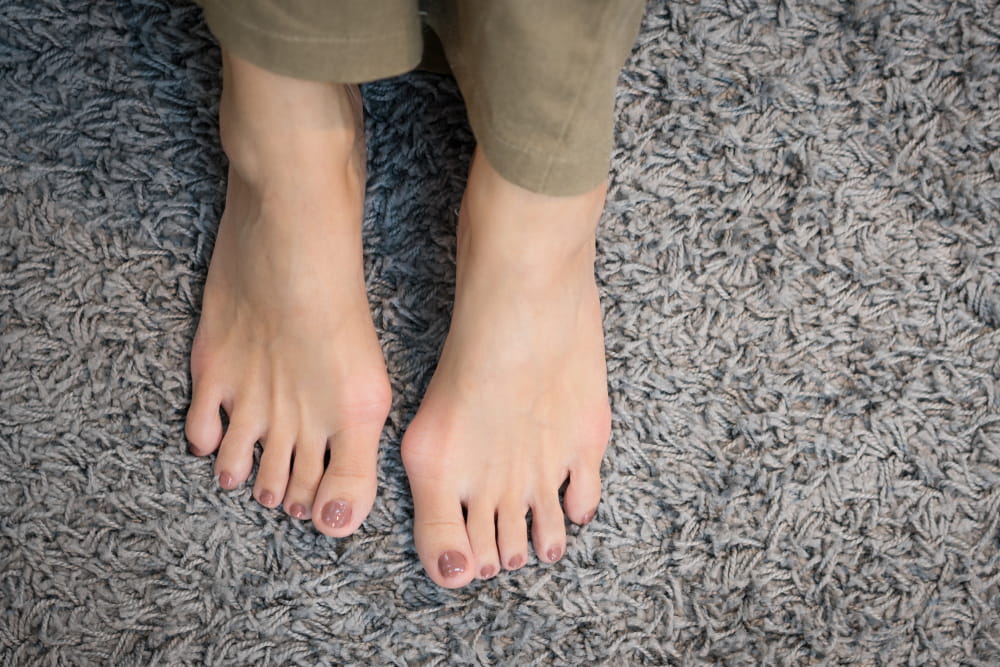
Footwear plays a significant role in bunion development and symptoms.
According to Dr. Charlick, narrow toe boxes, pointed shoes, and high heels can increase pressure on the front of the foot and contribute to bunion progression. Research has also shown that many women regularly wear shoes that are too small for their feet, which may increase the risk of foot pain and deformity over time.
Family history, foot structure, arthritis, and how the foot functions can also contribute to bunion formation.
Why People Put Off Bunion Care
"Many patients with bunions assume the problem is painful and difficult to fix. But, there are often several options to treat these deformities, and even when surgery is the answer, it has come a long way from your Mother's bunion surgery." —Dr. Daniel Charlick
Many patients try to manage bunions on their own before seeing a specialist. However, bunions can gradually worsen. As pain increases, people often change the way they walk without realizing it.
You may begin shifting weight to the outside of your foot, avoiding certain activities, or limiting how much you walk. Over time, this compensation can lead to discomfort in other areas, including the smaller toes, arch, ankle, knee, or hip.
You do not need to wait until your pain becomes severe. A visit with one of our foot and ankle specialists can help determine whether your bunion is mild, moderate, or more advanced.
How We Diagnose Bunions
A bunion evaluation typically begins with a conversation about your symptoms, activity level, footwear, and medical history.
Dr. Charlick will examine your foot to better understand how it functions and where it is painful. X-rays are used to evaluate the alignment of the bones, measure the severity of the deformity, and determine whether arthritis or other joint problems are present.
This information helps guide treatment recommendations and determine whether non-surgical care or surgery is the best option.
Non-Surgical Treatment Options
"Bunions that do not hurt do not require surgery, and the initial treatment for painful bunions is often non-operative." —Dr. Daniel Charlick
Many bunions can be managed without surgery, especially when symptoms are mild or intermittent. While conservative treatment will not straighten the bunion, it can often reduce discomfort and improve daily function.
Non-surgical options may include:
- Shoes with a wider toe box
- Padding to reduce pressure and rubbing
- Custom or over-the-counter orthotics
- Ice to reduce swelling after activity
- Anti-inflammatory medications when appropriate
- Activity modifications during flare-ups
- Toe spacers or splints for comfort in select cases
If pain improves and you are able to remain active and comfortable, surgery may not be necessary.
Choosing Better Shoes for Foot Health
One of the simplest ways to reduce bunion pain is to choose footwear that fits properly.
Dr. Charlick recommends:
- Having your feet measured when purchasing new shoes
- Trying on shoes later in the day when feet are naturally more swollen
- Trying on both shoes before making a purchase
- Choosing shoes with a wide toe box
- Selecting lower heels whenever possible
- Leaving adequate room between the longest toe and the end of the shoe
- Making sure your toes can move freely
Comfort is often a better guide than the size printed on the shoe. If a shoe feels tight when you try it on, it is unlikely to become significantly more comfortable with wear.
When Surgery May Be Necessary
Bunion surgery may be considered when pain continues despite conservative treatment or when the bunion begins interfering with daily activities.
Surgery is typically recommended because of pain and loss of function, not simply because of appearance.
Many patients are surprised to learn that bunion surgery involves more than removing the visible bump. In many cases, the procedure requires realigning the bones and correcting instability within the joint to address the underlying cause of the deformity.
Because every bunion is different, there is no single procedure that works for every patient. Dr. Charlick carefully evaluates the structure of the foot, severity of the deformity, and patient goals before recommending a surgical approach.
What About Lapiplasty®?
Dr. Charlick is also trained in the Lapiplasty® procedure.
Lapiplasty is a surgical technique designed to correct the bunion in three dimensions by addressing the underlying instability that contributes to the deformity. Rather than focusing solely on the visible bump, the procedure aims to restore alignment at the source of the problem.
Like all bunion procedures, Lapiplasty is not the right choice for every patient. A thorough evaluation and imaging help determine whether it is an appropriate option.
What Recovery Looks Like After Bunion Surgery
Recovery varies depending on the procedure performed, though many modern bunion surgeries allow patients to bear weight immediately in a specialized surgical shoe or after a short time using a walking boot.
Patients should understand that swelling often lasts longer than expected. Some swelling may persist for several months after surgery as the foot continues to heal.
Additional recovery considerations may include:
- Wearing a surgical shoe or boot during early healing
- Gradually returning to normal activities
- Waiting several months before returning to certain dress shoes
- Temporary or mild long-term stiffness in the big toe joint
Following post-operative instructions and footwear recommendations can help support the correction and reduce the risk of future problems.
Dealing With Bunions? Schedule an Appointment With Dr. Charlick
A bunion does not always mean surgery. It also does not have to be something you continue to ignore.
If your foot hurts, your shoes no longer fit comfortably, or walking has become more difficult, Dr. Charlick can help you understand what's causing your symptoms and what treatment options may be right for you.
With specialized training in foot and ankle care, Dr. Charlick takes a practical, individualized approach to bunion treatment. Together, you can determine the best path forward to help keep you moving comfortably.
Schedule an appointment online or contact your nearest OrthoUnited campus to learn more about your treatment options.